Are RO Systems Safe? What Homeowners Should Know
A glass of water can look perfectly clear and still leave homeowners wondering about dissolved salts, plumbing residue, or the condition of a building storage tank. So, are RO systems safe? Yes, a correctly selected, professionally installed, and regularly maintained reverse osmosis system is a safe and effective way to improve drinking water quality at home.
The key words are correctly selected and regularly maintained. An RO unit is not a fit-and-forget appliance. Its performance depends on the incoming water, the quality of its filters and membrane, proper installation, and timely service. For homes in Dubai and across the UAE, where water quality can be affected by storage tanks, plumbing, and higher total dissolved solids (TDS), those details matter.
How RO Systems Make Drinking Water Safer
Reverse osmosis works by pushing water through a very fine semipermeable membrane. That membrane reduces many dissolved substances that ordinary sediment filters cannot remove, including excess salts and certain metals. Most residential systems also use several stages of filtration before and after the membrane.
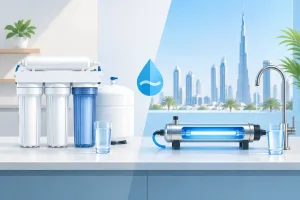
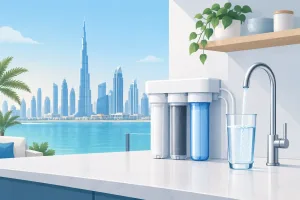
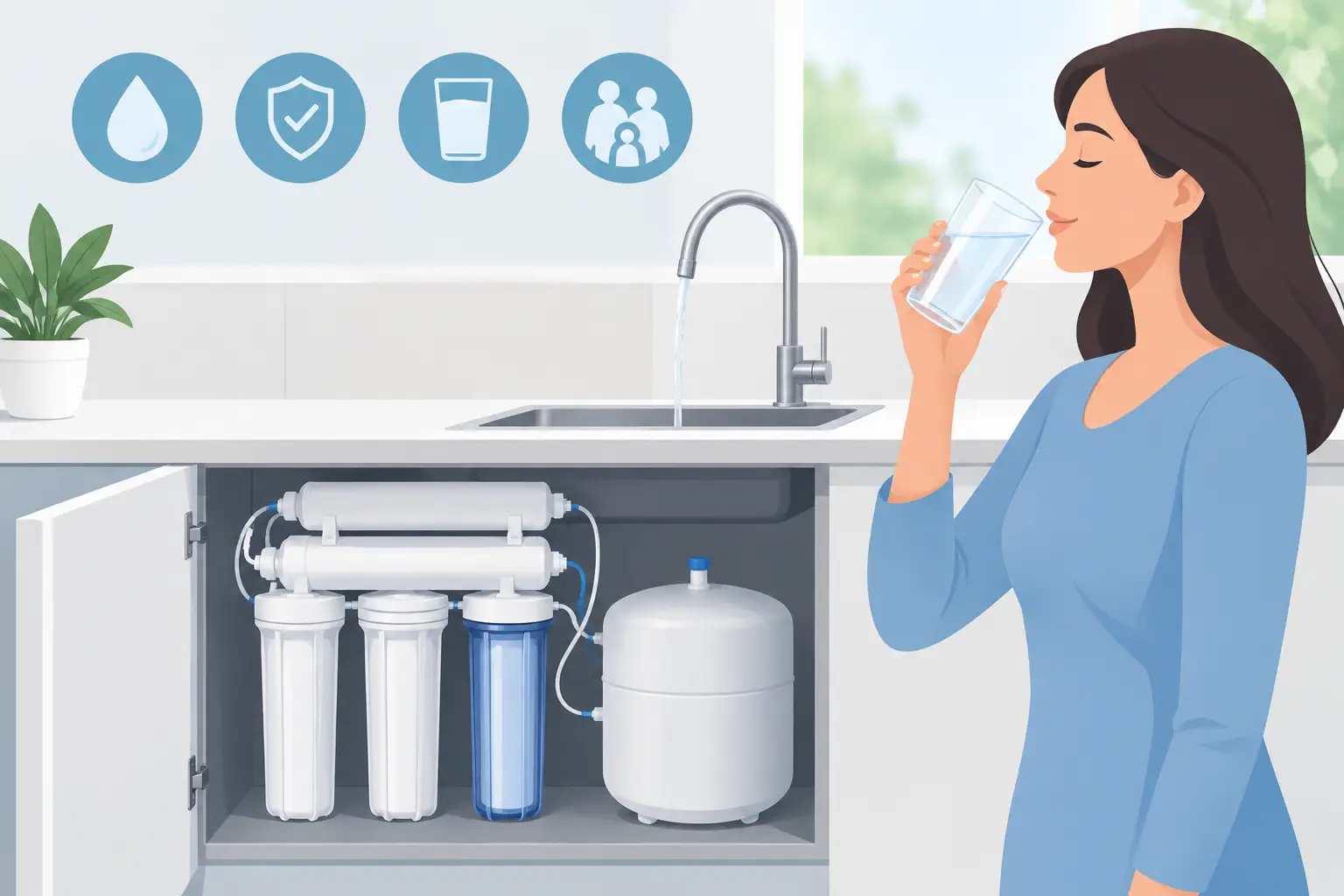
A typical setup includes a sediment filter to catch sand, rust, and particles; carbon filters to improve taste and reduce chlorine-related compounds; an RO membrane for dissolved contaminants; and a final polishing filter before water reaches the faucet. The exact results depend on the system design, membrane condition, water pressure, and the specific substances in the supply.
For many households, the practical benefit is simple: cleaner-tasting water with lower TDS and fewer unwanted dissolved materials. This can be especially reassuring when drinking water has traveled through a building’s tanks or aging internal pipes.
RO should not be described as a guarantee against every possible water issue. No filtration method is universal. A system needs to be matched to the water source and maintained according to schedule. If there is a known contamination concern, a water test is the sensible first step rather than assuming any one filter solves it.
Are RO Systems Safe for Daily Drinking Water?
For healthy adults, children, and families, RO-filtered water is generally safe for everyday drinking when the system is properly maintained. Reverse osmosis is widely used in homes, restaurants, offices, and commercial facilities because it offers a reliable method of reducing dissolved solids.
One common concern is that RO also lowers naturally occurring minerals such as calcium and magnesium. That is true. However, drinking water is usually not the main source of these minerals in a balanced diet. Foods such as dairy products, leafy greens, beans, nuts, fish, and fortified foods contribute much more.
If you prefer the taste of mineralized water or want minerals added back after filtration, a remineralization stage can be installed after the RO membrane. This is a preference and system-design decision, not a reason to avoid RO water altogether.
Another concern is pH. RO water may be slightly lower in pH than unfiltered water because dissolved minerals are reduced. In normal household use, this does not make the water unsafe. What matters more is that the system is clean, functioning correctly, and producing water appropriate for drinking.
What RO Systems Can and Cannot Do
An RO system can significantly reduce TDS and many dissolved contaminants. It can also improve taste and odor when paired with suitable carbon filtration. But it does not replace good building hygiene or proper water management.
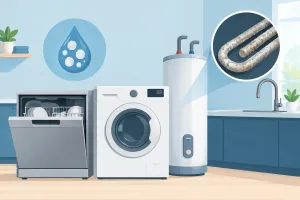
For example, an RO unit at the kitchen sink treats water used for drinking and cooking. It does not clean the water flowing to showers, washing machines, or every bathroom tap. Homes concerned about hard water, sediment throughout the property, or scale buildup may benefit from combining RO drinking-water filtration with whole-house filtration or a water softener.
Likewise, if water sits for long periods in an unclean tank or passes through damaged pipes, the underlying issue should be addressed. Point-of-use filtration is valuable, but safe water management starts before the water reaches the kitchen faucet.
The Real Safety Issue: Maintenance
Most concerns about RO safety are not caused by reverse osmosis itself. They come from neglected filters, old membranes, poor installation, or an unclean storage tank.
Pre-filters gradually collect sediment and use up their carbon capacity. If they are not changed on time, they can reduce flow and leave the RO membrane less protected. The membrane also has a service life. As it ages, its ability to reject dissolved solids declines, which may show up as rising TDS in the filtered water.
The storage tank, tubing, faucet, and filter housings also need hygienic handling during service. A technician should use the correct fittings, check for leaks, flush the system after filter changes, and confirm that water production and TDS performance are within the expected range.
Watch for warning signs instead of waiting for water quality to become a question. A sudden change in taste, slow water flow, unusual odor, a leaking connection, or noticeably higher TDS can all indicate that the system needs attention. If your system has been unused for an extended period, have it flushed and checked before returning it to regular use.
How Often Should an RO System Be Serviced?
There is no single replacement schedule for every home because incoming water quality, household usage, system capacity, and tank conditions vary. As a general guide, sediment and carbon pre-filters often need replacement more frequently than the RO membrane. The membrane may last longer when pre-filtration, pressure, and routine servicing are all handled correctly.
Rather than relying only on a calendar, use a service plan that includes filter replacement, visual inspection, leak checks, sanitation where needed, and TDS testing. This gives a clearer picture of system performance than taste alone.
For busy households, landlords, and facilities teams, professional maintenance removes the guesswork. Aqua Care can match service requirements to the system capacity and local water conditions, whether the installation is a compact under-sink unit or a higher-output commercial RO system.
Choosing a Safe RO System for Your Home
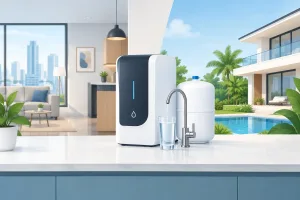
A safe result starts with choosing equipment that fits the job. A small unit may be suitable for a family kitchen, while a larger household, villa, café, or office may need higher production capacity. Selecting a system only by price can lead to low pressure, insufficient daily output, or a unit that is difficult to maintain.
Ask practical questions before installation. What is the incoming TDS? Is the water supplied directly, through a rooftop tank, or through a building storage system? Is water pressure sufficient for the chosen unit? How many people will use it each day? Who will replace the filters and test performance after installation?
Professional installation matters because RO systems involve water lines, a drain connection, pressure considerations, and a dedicated drinking-water faucet. Poor connections can cause leaks, waste water, or inconsistent production. A qualified technician should position the unit accessibly so future filter changes and inspections are straightforward.
It is also worth considering the wastewater produced during reverse osmosis. RO systems reject a portion of water while flushing away concentrated dissolved solids. The ratio varies by model, incoming TDS, water pressure, and system design. This is a real trade-off, particularly in regions where water conservation matters. Choosing an efficient system and maintaining it properly helps avoid unnecessary waste.
Simple Habits That Keep RO Water Safe
You do not need to become a water-treatment expert to own an RO system safely. Keep the installation area clean and accessible, do not ignore leaks or changes in taste, and replace filters through a reliable service provider. If your home has a water storage tank, include tank cleaning and inspection in your wider water-care routine.
Avoid fitting unverified replacement cartridges simply because they appear compatible. Filter quality, correct sizing, and proper sealing affect both performance and hygiene. Keep service records as well, especially in rental properties or commercial sites where multiple people may be responsible for maintenance.
A well-maintained RO system gives you more than lower TDS on a meter. It gives your household a dependable source of better-tasting water for drinking, cooking, tea, coffee, and baby food preparation. The safest choice is not just buying an RO unit. It is choosing the right system, installing it properly, and giving it the ongoing care that clean water deserves.

About author